Cabo weather: the climate and your travel dates
Cabo San Lucas has a warm, relatively dry climate, with cooler winter nights, hotter summers and rainfall concentrated toward late summer and early autumn. Climate averages help you compare seasons and pack, but a short-range forecast and local instructions determine what is appropriate on a particular day.
Start with when to visit Cabo: seasons, crowds and cost tradeoffs if you are choosing dates. The monthly sections below give a compact climate comparison without presenting a historical average as a forecast.
A consistent climate reference
The table uses Mexico’s Servicio Meteorológico Nacional, station 3005 at Cabo San Lucas, and its 1991–2020 climate normals. A normal is a historical average across the reference years. It is not the temperature you will necessarily experience, and San José del Cabo, the Pacific coast, the corridor and inland locations can differ.
| Month | Average daily high | Average daily low | Monthly rainfall |
|---|---|---|---|
| January | 26.6°C (79.9°F) | 12.8°C (55.0°F) | 6.2 mm |
| February | 27°C (80.6°F) | 12.9°C (55.2°F) | 3.4 mm |
| March | 28.5°C (83.3°F) | 13.9°C (57.0°F) | 1.4 mm |
| April | 30.1°C (86.2°F) | 15.4°C (59.7°F) | 0 mm |
| May | 32.1°C (89.8°F) | 16.5°C (61.7°F) | 0.1 mm |
| June | 32.6°C (90.7°F) | 18.5°C (65.3°F) | 0.4 mm |
| July | 34.4°C (93.9°F) | 22.5°C (72.5°F) | 8.1 mm |
| August | 34.7°C (94.5°F) | 23.8°C (74.8°F) | 76.4 mm |
| September | 33.7°C (92.7°F) | 23.3°C (73.9°F) | 114 mm |
| October | 33.4°C (92.1°F) | 21.2°C (70.2°F) | 24.4 mm |
| November | 30.4°C (86.7°F) | 17.5°C (63.5°F) | 16.9 mm |
| December | 27.4°C (81.3°F) | 14°C (57.2°F) | 7.3 mm |
Source: SMN Cabo San Lucas station climate normals. The station record shows the highest mean temperature in August and the highest monthly rainfall normal in September. June is historically dry in this reference. Low averages, including a value rounded to zero, do not guarantee that an unusual event is impossible.
Jump to a month
January at a glance
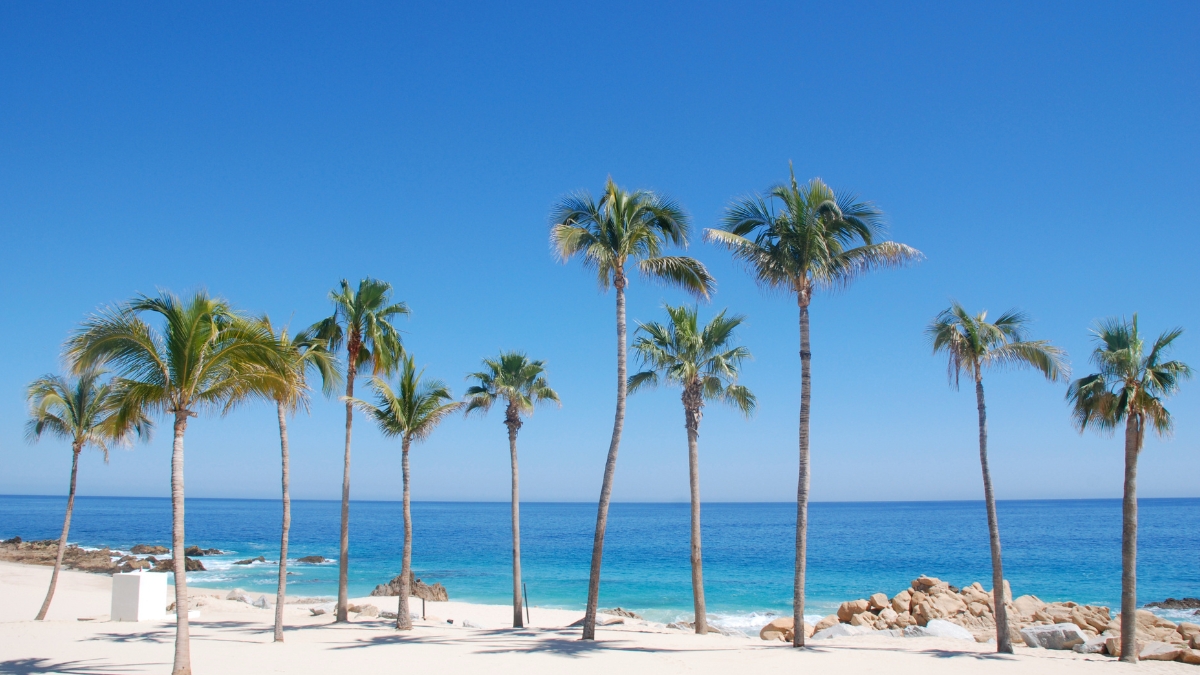
January is one of Cabo San Lucas’s coolest months, with a marked difference between warm afternoons and cooler mornings and evenings. It suits travelers who want winter sunshine without the stronger heat of late summer, but a beach wardrobe alone may leave you cold on an early boat ride.
February at a glance
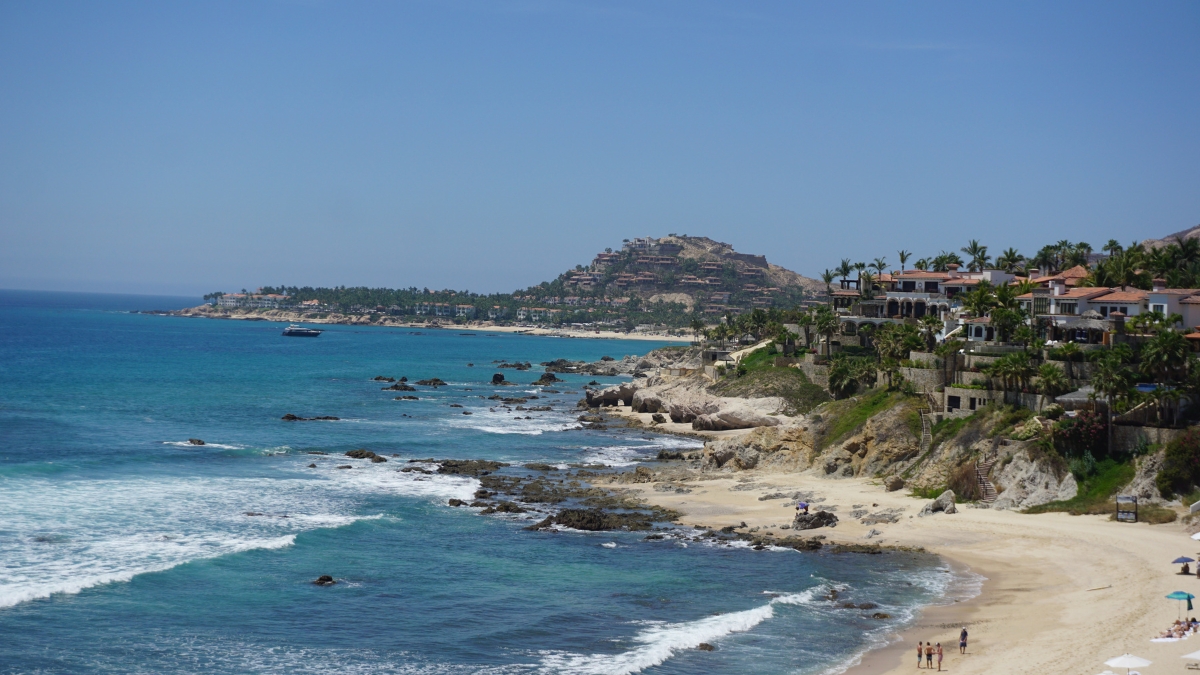
February keeps Cabo in its cooler, generally dry part of the year. Afternoons can feel warm in the sun, while mornings, evenings and time on a moving boat call for a layer. The monthly climate is useful for packing, but it is not a promise of the temperature on your travel dates.
March at a glance
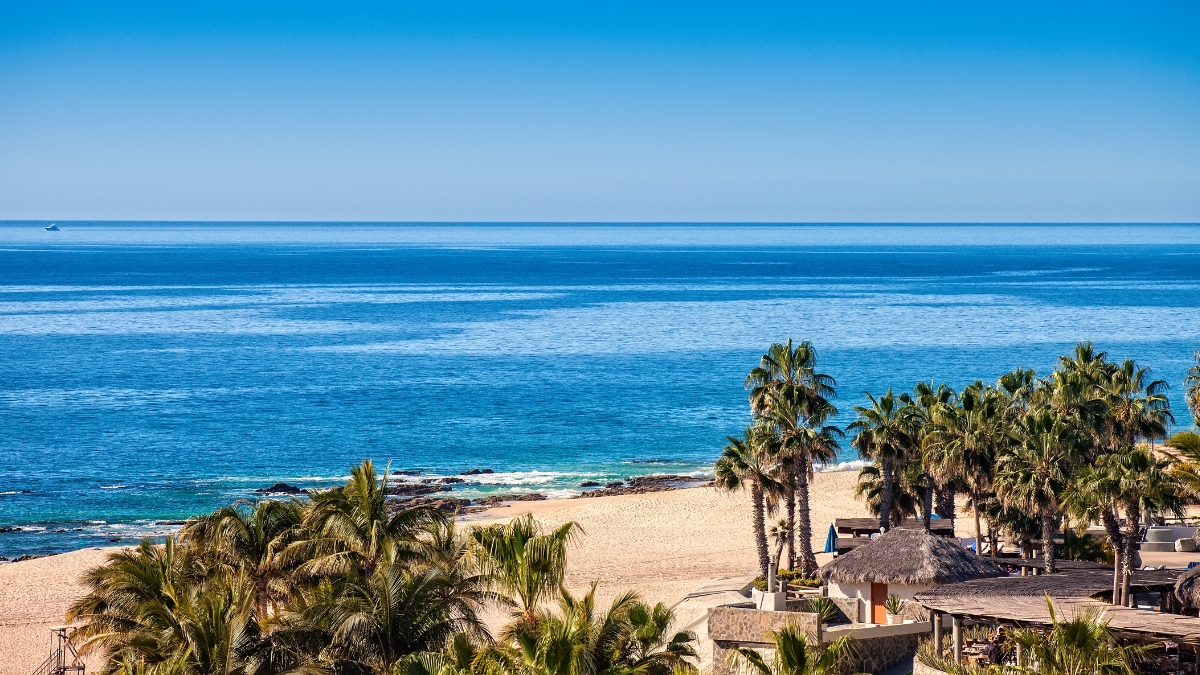
March brings a gradual warming of Cabo’s days while nights can still feel cool. It sits in the generally dry part of the year and appeals to visitors who want outdoor time before the stronger summer heat. School holidays can make the visitor experience different from one week to the next.
April at a glance

April usually brings warm afternoons, cooler nights and very little rainfall in Cabo San Lucas’s historical record. It is a useful month to consider if you want dry-season conditions before late-summer heat, while still packing a layer for evenings.
May at a glance
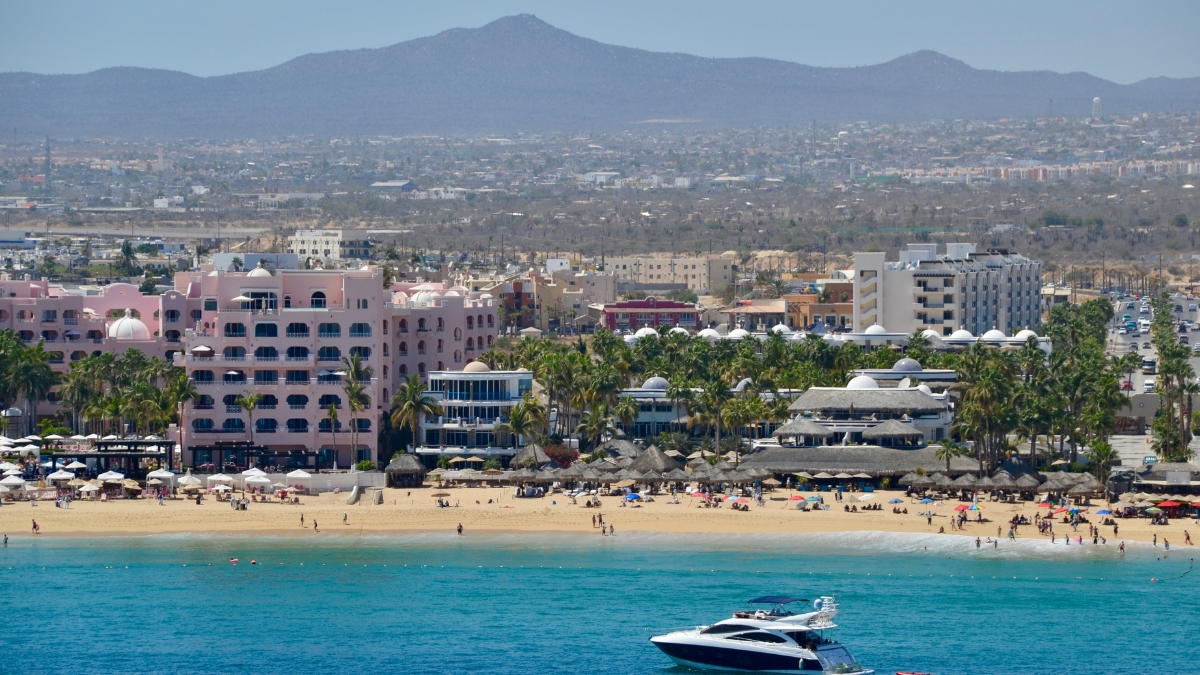
May brings hotter afternoons to Cabo San Lucas, while nights remain cooler than in late summer. It is historically very dry, but it also crosses an important calendar boundary: the official eastern Pacific hurricane season starts on 15 May.
June at a glance
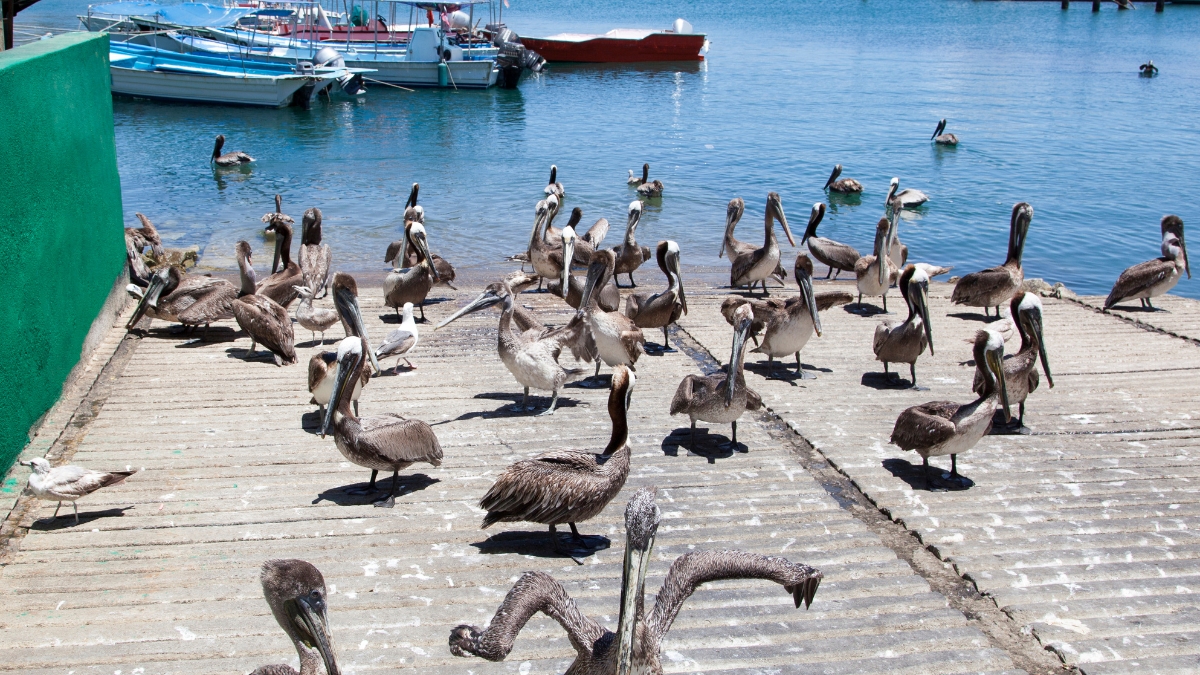
June is hot in Cabo San Lucas, with a noticeable contrast between sun-exposed afternoons and cooler overnight conditions. In the local station’s 1991–2020 record, it remains a very dry month.
July at a glance
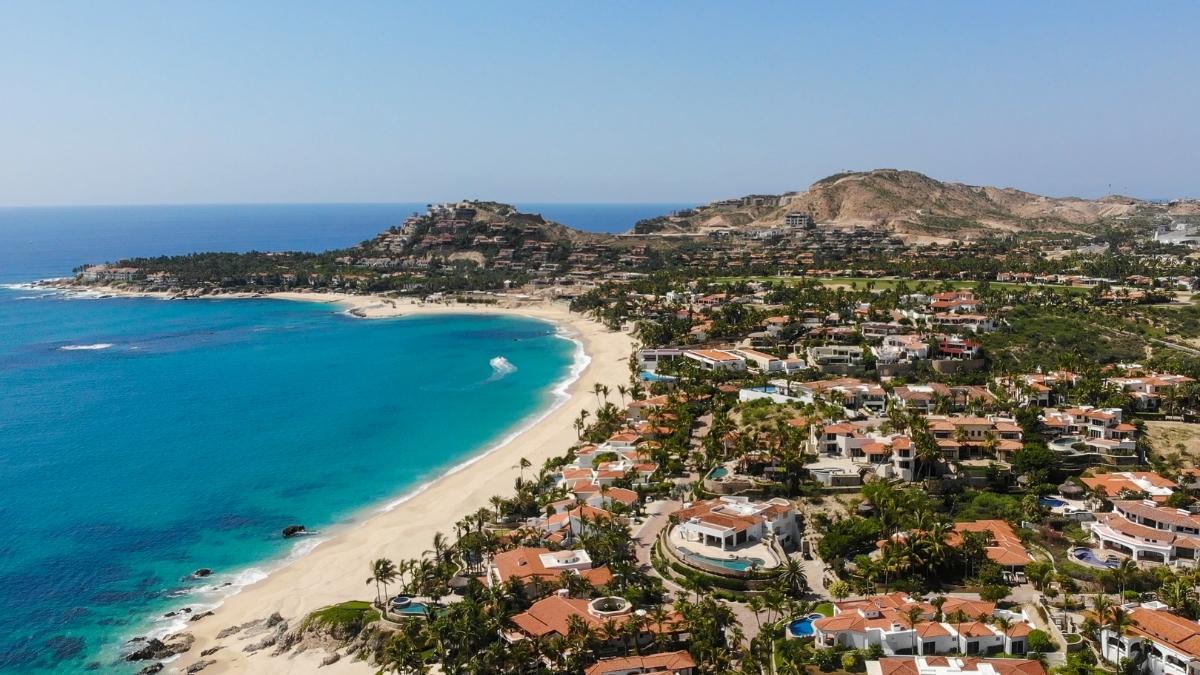
July brings strong daytime heat and warmer nights to Cabo San Lucas. Rain becomes more plausible than in the very dry spring months, with considerable differences between individual years.
August at a glance

August is among the hottest months in Cabo San Lucas and is the warmest by mean temperature in the station reference used here. Nights stay warm, and average rainfall rises substantially compared with July. Plan for heat and the possibility of disrupted outdoor days, rather than guaranteed sunshine between harmless showers.
September at a glance
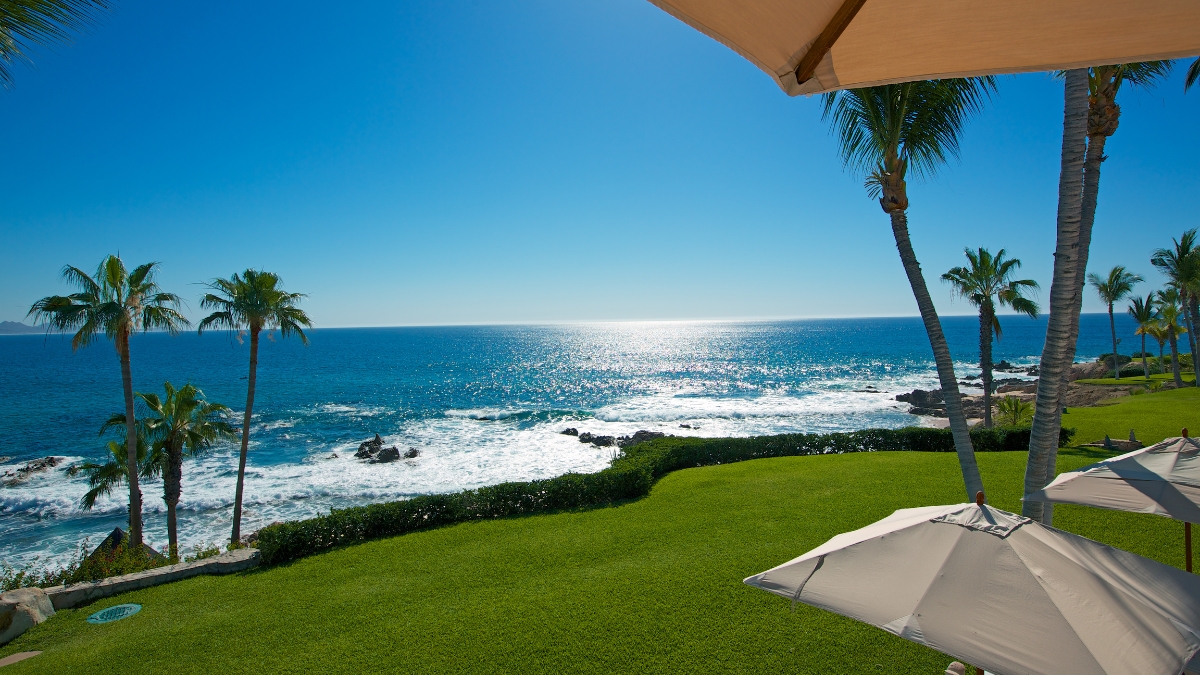
September is hot and is the wettest month in Cabo San Lucas’s station reference. It remains within the eastern Pacific hurricane season. It can include bright days, but it is a month to choose with room for weather-related changes, rather than expecting rain to be only a refreshing interruption.
October at a glance
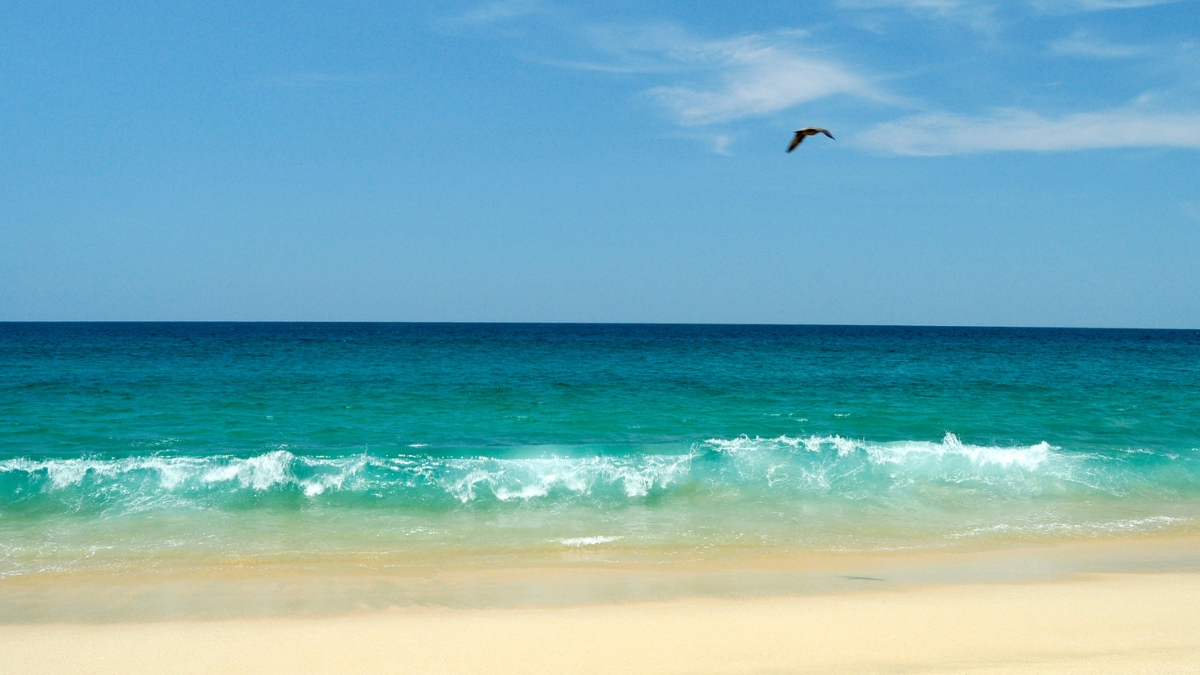
October remains hot in Cabo San Lucas, though the station record shows cooler nights than in August and September. Average rainfall falls after September, but October is still within the official hurricane season. It should not be described as the end of all storm risk.
November at a glance
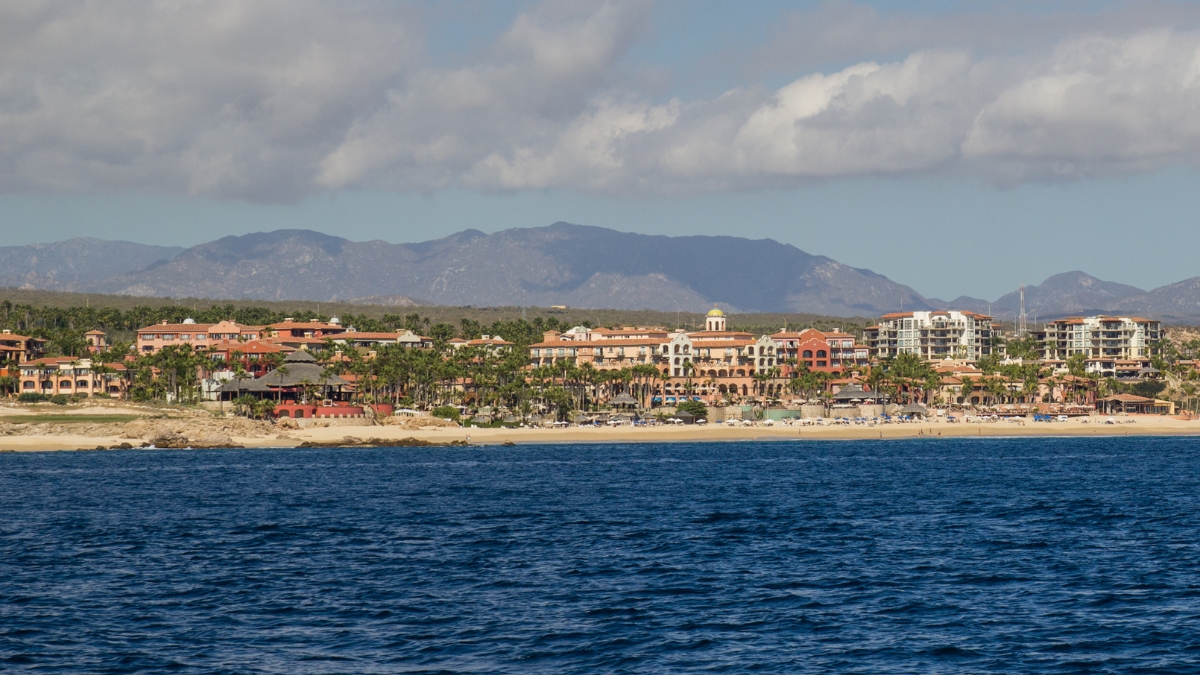
November brings a cooling trend to Cabo San Lucas, particularly at night, while afternoons can still be warm. It is a transition toward winter, but the official eastern Pacific hurricane season continues through 30 November. A generally drier feel does not put the whole month outside that calendar.
December at a glance
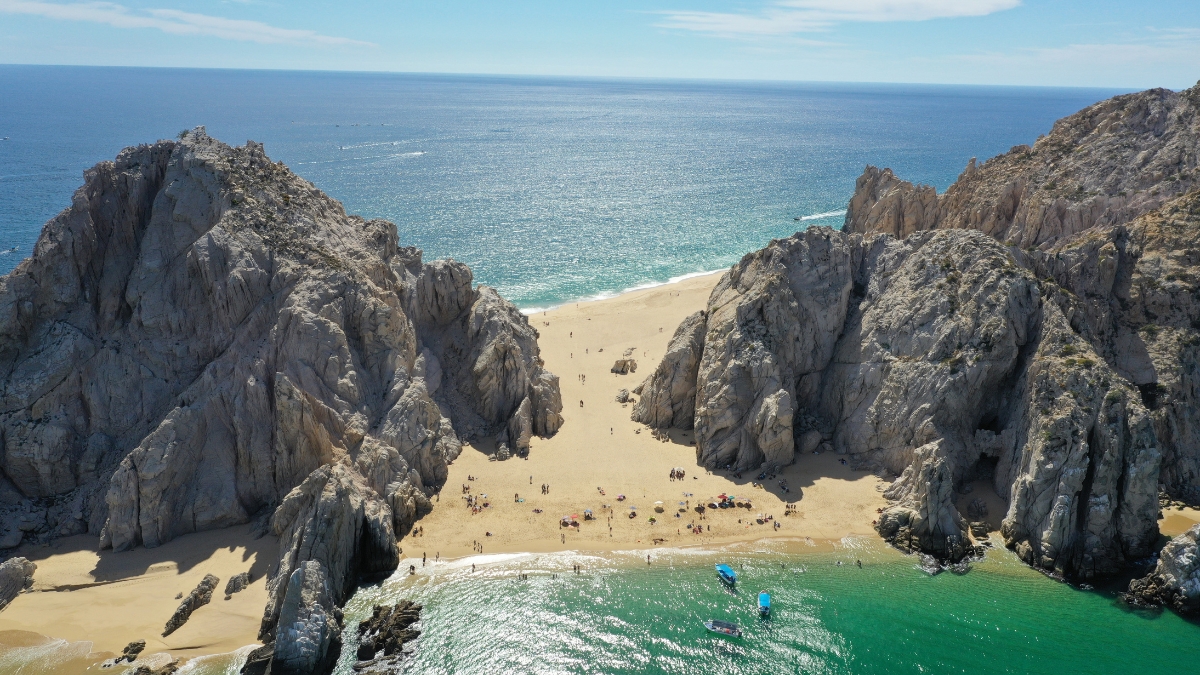
December offers warm afternoons and cooler nights in Cabo San Lucas, with relatively little rainfall in the historical reference. It is a winter-escape option for many visitors, but pack for the daily temperature change rather than assuming continuous beach heat.
Hurricane season and ocean conditions
The official eastern Pacific hurricane season runs from 15 May to 30 November. That basin-wide calendar is not a prediction of a storm at Cabo on any particular date. Weather outside those dates can also disrupt travel. Warm water, sunshine or a low monthly rainfall average does not establish safe swimming, paddling or boat conditions.
Follow beach flags, port decisions, operator instructions and Protección Civil advice. Do not go to the shore to watch dangerous waves or attempt to cross flooded roads. A clear-looking local sky can be a poor guide to offshore swell.
Current forecasts and alerts
For a coming trip, check Mexico’s Servicio Meteorológico Nacional and the National Hurricane Center, together with local authority and accommodation instructions. This page is a climate guide, not a live forecast or emergency bulletin.
Packing across the seasons
Bring sun protection and clothing suited to time outside, with a layer for cooler evenings or early boat rides in the winter months. In hotter months, plan shade and breaks. Ask a water-activity provider about recent sea temperature, visibility and equipment needs rather than assuming the air temperature describes the ocean.