
Sierra de la Laguna: a mountain outing in southern Baja
The Sierra de la Laguna is a mountain range in southern Baja California Sur, with protected landscapes that differ markedly from the coastal resorts. Lower dry forest and desert vegetation give way to higher pine-and-oak country. Its water catchment is important to communities and agriculture in the region.
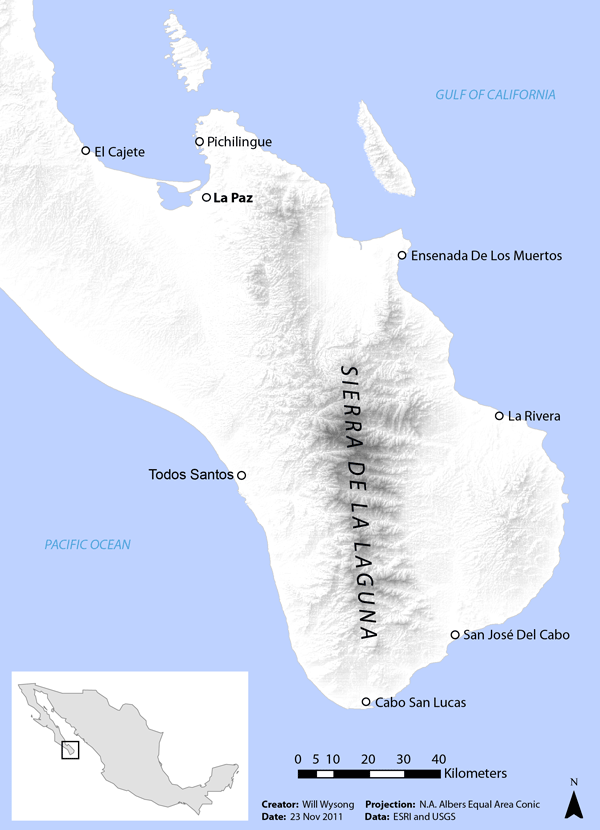
Choose the route before choosing the day
A foothill walk, canyon visit and multi-day mountain trek require different preparation. The Sierra is not a single attraction reached by one road. Ask about the trailhead, elevation gain, walking surface, water, transport and return time for the route you actually intend to take.
For a more specific canyon outing, start with the Fox Canyon visitor guide. Visiting that area is different from reaching the high-country trails or a mountain summit.
Protected nature and local history
The biosphere reserve protects important habitats, including the state’s pine-and-oak forest. Birds, mammals, reptiles and plants are part of its appeal, but wildlife sightings are not guaranteed. Follow permitted routes and avoid removing plants, rocks or archaeological material.
The region also has a long human history and links with ranching communities. Use a knowledgeable local guide if you want interpretation. Do not enter an archaeological site or private ranch merely because it appears on a map.
When to visit
CONANP recommends October to May for visits. Even in that period, check the forecast and current access: heat, storms, high water and damaged tracks can change the plan. High terrain can be much cooler than the coast, especially overnight.
Transport, camping and practical preparation
Confirm access with the land manager or your guide. The suitable vehicle depends on the specific road and recent conditions, rather than a blanket promise that any car or every four-wheel drive can get through. Check what your rental agreement permits.
For overnight trips, establish the permitted campsite and carry appropriate equipment, water and a waste plan. Do not assume a general reserve listing means there are toilets, drinking water or mobile coverage at your trailhead.
- Match the route to fitness and experience.
- Carry water, food, sun protection and suitable footwear.
- Plan navigation and a return time before leaving.
- Check camping and guide arrangements in advance.
A well-chosen day walk can be rewarding without attempting the longest route. The area is an inland mountain destination, not a national-park beach stop to add automatically to an afternoon.