
When is hurricane season in Cabo San Lucas?
The official eastern Pacific hurricane season runs from 15 May to 30 November. Cabo San Lucas is in this region, so the Atlantic’s 1 June start is not the correct calendar to use. For the wider climate comparison and direct official forecast sources, use our Cabo weather guide and current-alert sources.
A season is not a forecast for your holiday
The season describes the period when eastern Pacific tropical cyclones are more likely to form. It does not predict a storm at Cabo on a particular day, and systems can occasionally occur outside the official dates. Basin-wide activity and the probability of local landfall are different questions.
Do not interpret a sunny morning, warm water or a low monthly rainfall average as proof that an excursion will operate. Storms elsewhere can affect swell, and local warnings or port decisions may matter before the weather looks threatening at your hotel.

What the monthly pattern can tell you
The Cabo San Lucas station reference used in this cluster has its highest rainfall normal in September, with August also wetter than the early summer months. The September weather guide explains the wet-season travel context. A monthly rainfall average is not a percentage chance of a hurricane making landfall.
October and November remain within the official season. Avoid guides that call October the end of the season or describe November as universally storm-free. Current advisories are more useful for a coming trip than a fixed month-by-month ranking of local danger.
Storm impacts can extend beyond the wind category
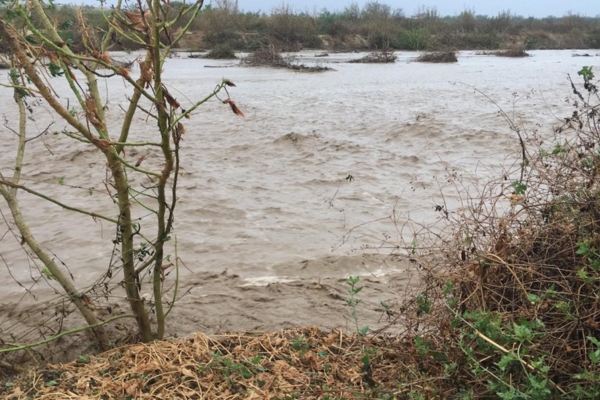
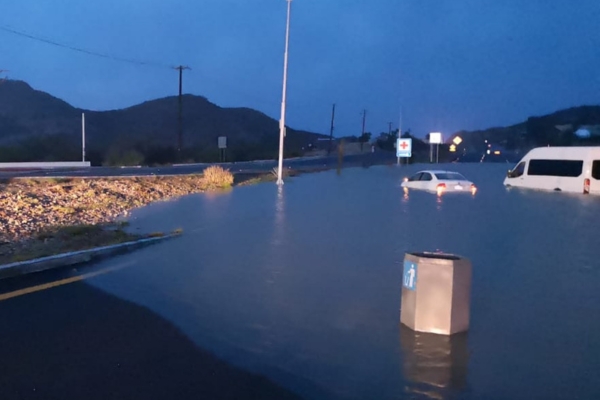
Heavy rain, flooding, runoff, dangerous surf and disruption to transport or utilities can all matter to visitors. A lower wind category does not mean there is no serious hazard. Hurricane Odile made landfall near Cabo San Lucas as a category 3 hurricane in September 2014; that historical example does not predict the strength of a future storm.
Planning before you travel
Check the accommodation’s procedures and how it communicates instructions. Keep your travel information, essential items and a way to receive updates accessible. Ask your operator what happens to an excursion if weather, a port closure or access restrictions affect it.
If you are choosing between seasons, the best-time-to-visit comparison weighs weather comfort, crowds and cost. Read booking and any insurance terms carefully rather than assuming that a policy or refundable label covers every type of weather-related disruption.
If a warning or closure affects your stay
Follow Protección Civil, port, accommodation and other local-authority instructions, including any direction to relocate or evacuate. Do not enter closed beaches or go out to watch storm waves. Avoid floodwater and do not attempt to cross a flooded road or watercourse.
Do not substitute this evergreen article for a current warning or emergency instruction. Use the official forecast sources linked through the weather guide, and ask your accommodation how to obtain local instructions. A provider’s experience or a resort’s preparation does not guarantee that every activity or transfer can proceed safely.
Can you still visit during the season?
People do travel during these months, but the decision should account for heat, the possibility of disruption, your arrangements and your ability to adapt. A lower price or quieter beach does not remove those tradeoffs. Make plans around current information rather than a promise that tropical showers will always be brief or harmless.