
Pelican Rock is a rocky landmark and snorkeling and scuba-diving site near Land’s End in Cabo San Lucas Bay. Boats pass it on their way toward the Arch, while snorkelers explore the water around its base. You can visit for underwater wildlife, a guided dive or simply a view from a boat.
Where is Pelican Rock?
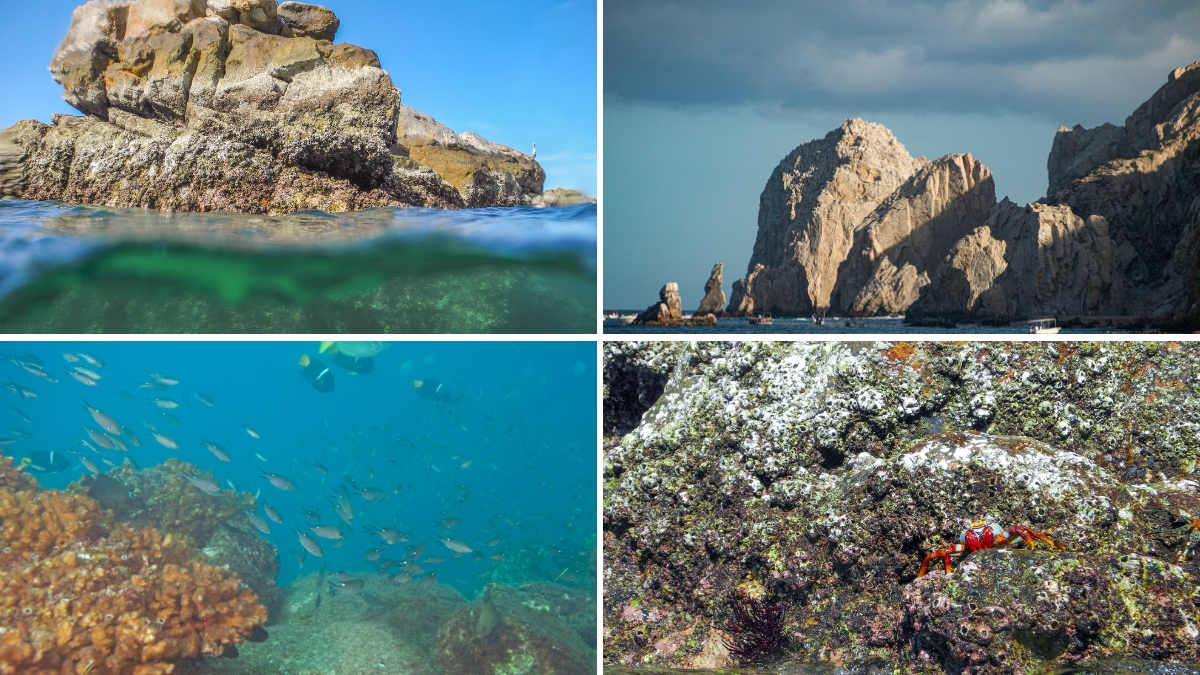
Pelican Rock lies on the Cabo San Lucas Bay side of Land’s End, near Lovers Beach. It is part of the bay’s coastal scenery rather than a roadside attraction on the Tourist Corridor. The marina and Medano Beach are common departure points for boats visiting the area.
To plan a visit, use our guide to getting to Pelican Rock. Choose your trip around what you want to do: a sightseeing pass, a snorkeling stop and a scuba dive are different experiences.


Snorkeling at Pelican Rock
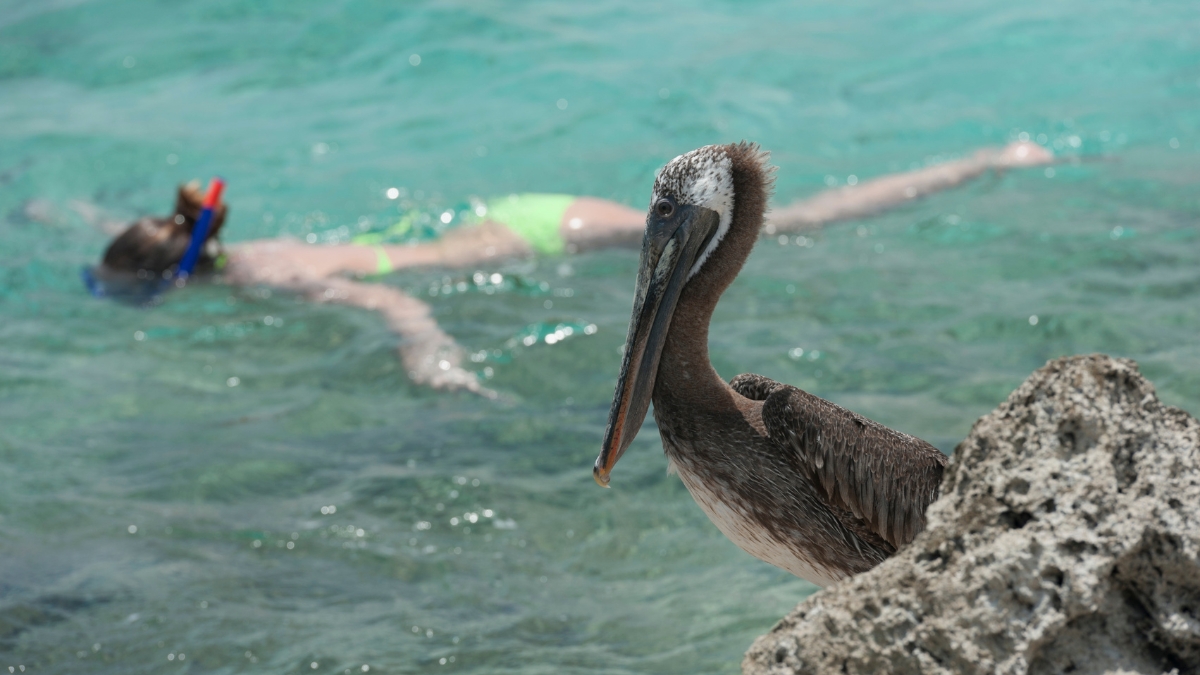
The appeal is the marine life around the rocky habitat, with fish close enough to observe from the surface when visibility allows. Snorkelers may see schools of fish, parrotfish and pufferfish. The photographs below show some of the variety recorded around the site.

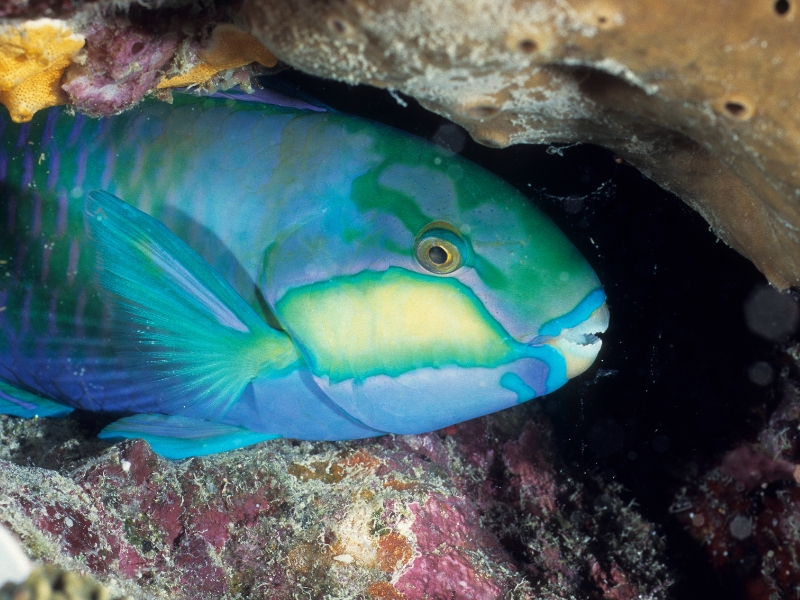
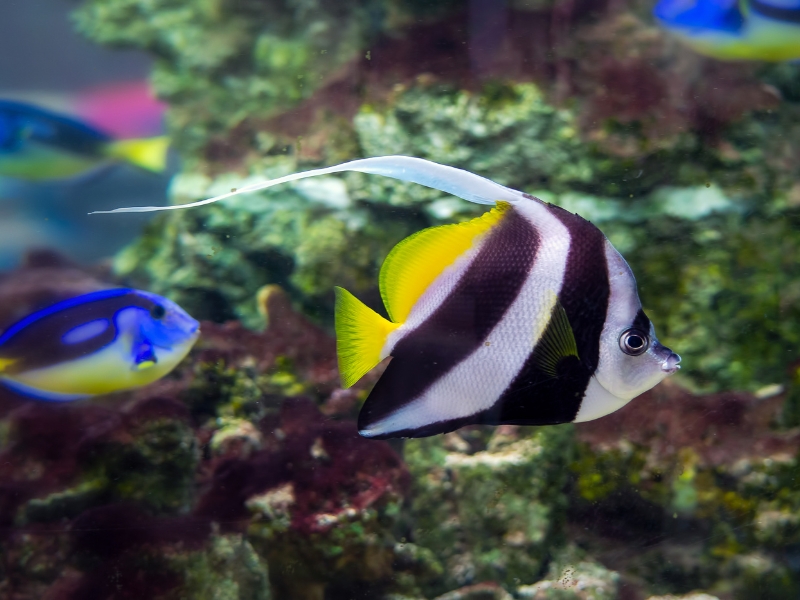
Conditions are not always calm or clear. Boat traffic, swell and currents matter, and a rocky shoreline is not a shallow swimming pool. Ask your guide where to enter, which area to use and how to return to the boat. Beginners need suitable support and equipment; the site is not automatically appropriate for every swimmer.
Scuba diving around the rock
Divers visit Pelican Rock for its fish life, rocky formations and changing underwater terrain. Shallow sections give way to deeper water, so a dive should match your training and experience. Arrange it with a qualified local operator who can brief you on the route, conditions and boat procedures.
Certified divers and people trying scuba for the first time need different programs. Ask what qualification or introductory instruction is required rather than assuming that a snorkeling excursion includes a dive. Visibility and wildlife sightings vary from one outing to another.
Marine life and underwater photography
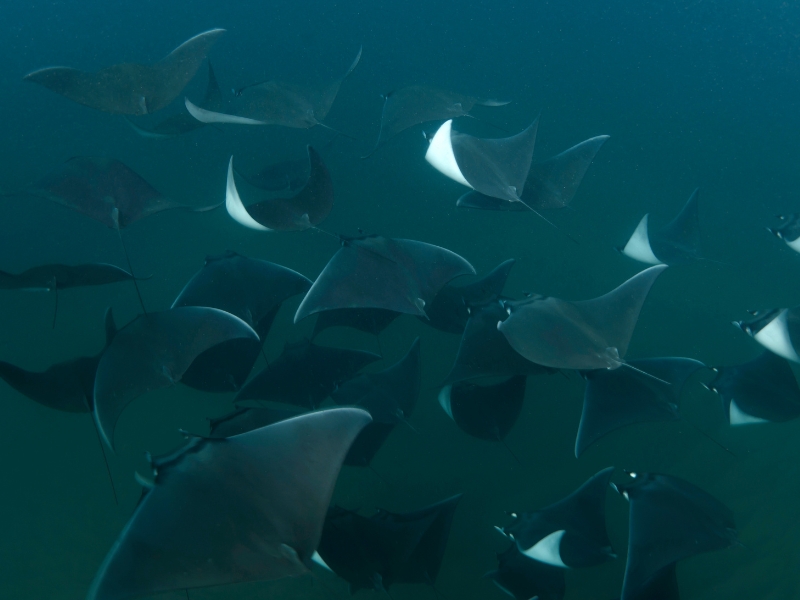
Fish are a central part of the experience, and rays, turtles or sea lions may also be encountered in the wider bay. None is guaranteed on a particular visit. Let wildlife approach or pass on its own terms, leave space and avoid touching, feeding or chasing it.
For photographs, secure your camera and keep track of your group and position. Good buoyancy or surface control matters more than getting closer to an animal. Leave coral, shells and other marine life where they belong.
What about cliff jumping?
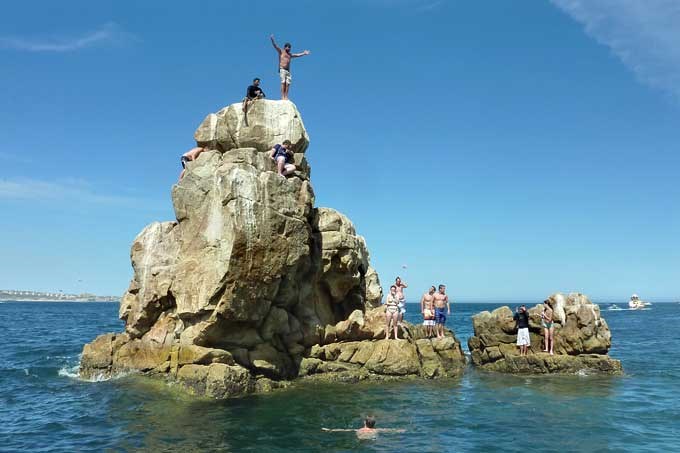
Locals have been seen jumping from Pelican Rock, as the photograph shows. That local practice does not establish a safe depth, clear landing area or supervised activity. Rocks, moving boats and changing water conditions make copying a jump dangerous. We do not recommend climbing or jumping from the rock.
Seeing the bay without snorkeling
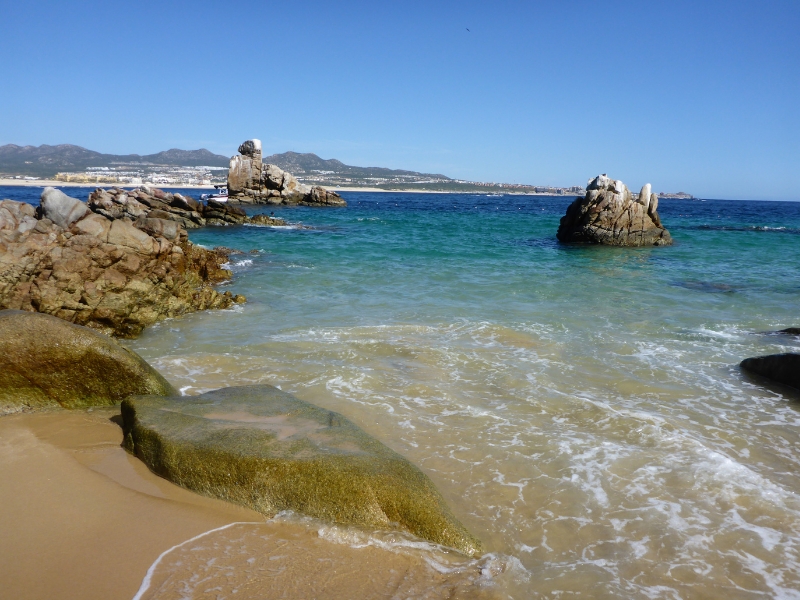
A water taxi, glass-bottom boat or sightseeing excursion lets you see the landmark without committing to a swim. Glass-bottom viewing depends on water clarity and the boat’s route. A private boat or sailing trip may offer more time on the water, while a shared outing follows a set itinerary.
Some trips combine Pelican Rock with the Arch and nearby beaches. Check whether the boat actually stops for snorkeling, whether any beach landing is included and how much time is spent at each place. Passing a landmark is not the same as visiting it in the water.
Plan for the day’s conditions
Bring sun protection, drinking water and a towel, and confirm what your operator supplies. Consider the forecast and follow local instructions, including any closure. If conditions are unsuitable for entering the water, a sightseeing visit or a changed itinerary can be the better choice.