
Why Cabo San Lucas is called the Origin of the Californias
“Origin of the Californias” expresses a local connection between the southern peninsula and the name California. In Cabo San Lucas, the idea is celebrated through regional history, monuments and the Día de la Californidad, or Day of Californian Identity.
This is a cultural and historical story rather than a claim that the modern US state, Baja California and Baja California Sur share the same present-day government. The Cabo San Lucas town overview provides the destination context for a visit.
The name, literature and early voyages
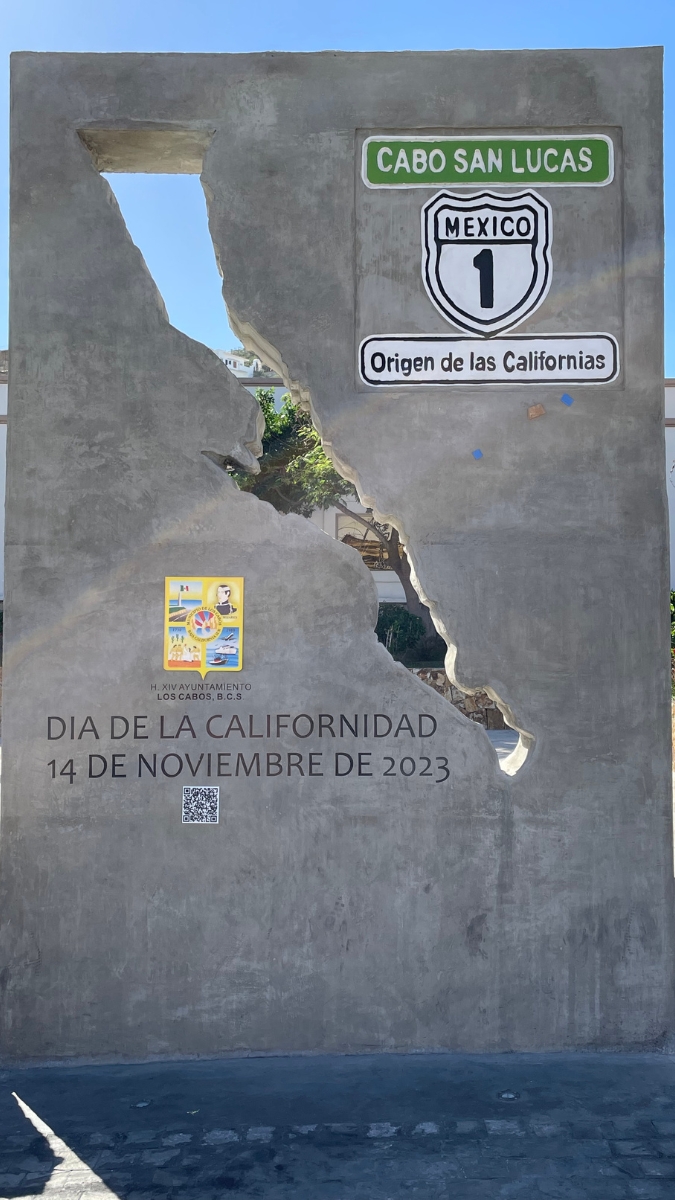
The name California appears in Garci Rodríguez de Montalvo’s Spanish romance Las Sergas de Esplandián, associated with an imagined island and warrior women. The literary connection forms part of the explanation shared in local accounts of how the name became attached to the peninsula.
The municipal tourism account places Hernán Cortés’s 1535 landing at La Paz and describes members of the expedition travelling south, where the cape became associated with the name California. This is more precise than saying Cortés’s documented landing was in modern Cabo San Lucas.
Municipal history also points to early maps using Punta California and Cabo California for the southern cape. Treat the naming account as a regional interpretation grounded in those historical references, rather than inventing an exact conversation between explorers or presenting the area as uninhabited before their arrival.
Día de la Californidad on 14 November
The annual commemoration is associated with 14 November. Municipal accounts describe the initiative emerging in 2021 through community groups and civic support. Its purpose is to value regional identity, history and the connections among the Californias.
Ceremonies, talks, exhibitions and performances can form part of the occasion. Check the dated programme for the year you visit. A past mayor’s participation or an announcement from 2023 is historical context, not a current event listing.
Monuments and the downtown setting
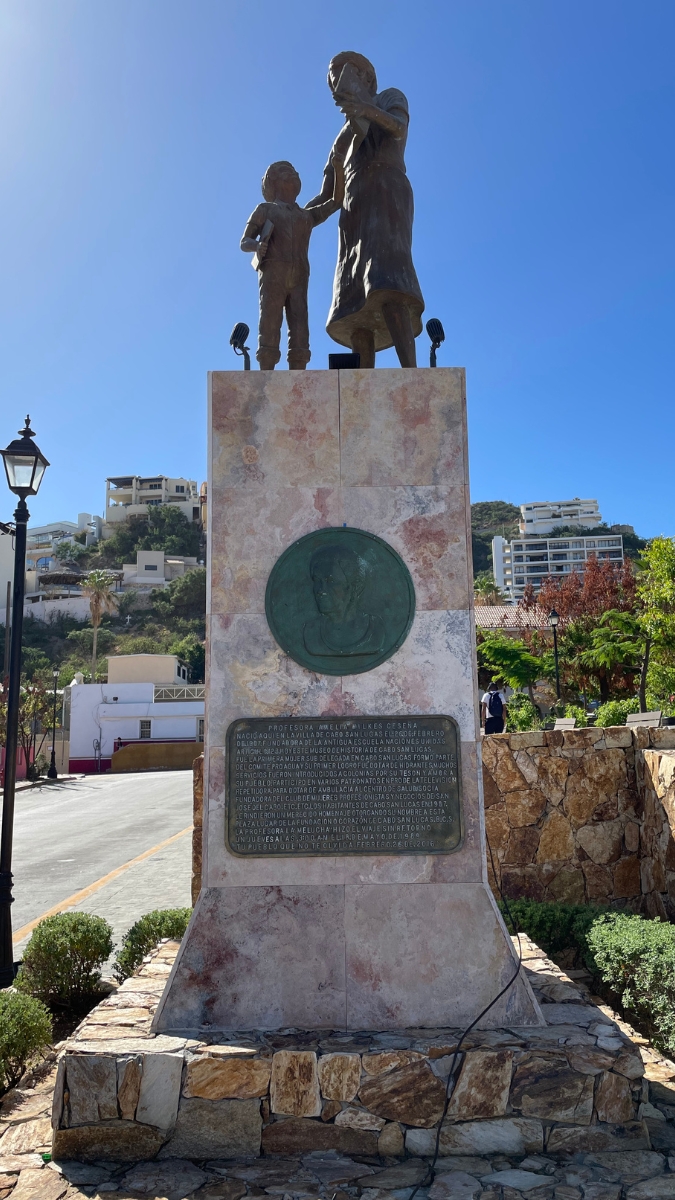
Plaza Amelia Wilkes provides a setting for civic memory and gatherings. The memorial to Amelia Wilkes Ceseña honours the educator. Do not confuse that statue with a separate highway or Californidad monument merely because both appear in accounts of the town.
The Transpeninsular Highway’s connection between the peninsula’s communities is another theme in local commemorations. Earlier reports linked monuments and events with its fiftieth anniversary in 2023. Those reports should be read in the past tense, not as promises of a future inauguration.
Understanding identity through a visit
Local history includes Indigenous communities, seafaring, families, education and the development of the modern town. The name California is one thread in that wider story. A monument or anniversary does not capture every perspective on the region’s past.
The Cabo San Lucas art and museum guide offers another way to approach local culture through exhibits and public spaces. Together, the cultural stops provide context beyond a beach-and-boat itinerary.
If you are visiting specifically for the November commemoration, confirm the venue and start time from a current programme. At other times, the plaza and the town’s monuments can still be appreciated without assuming an organized celebration is taking place.