
Cabo San Lucas: town, bay and a base for exploring
Cabo San Lucas is at the southern end of Mexico’s Baja California peninsula, in Baja California Sur. Its marina, Médano Beach, Land’s End scenery, restaurants and nightlife make it a lively base for a Los Cabos trip. The desert landscape and exposed Pacific coast are as much a part of the setting as the sheltered-looking bay.
Cabo San Lucas and San José del Cabo are different towns within Los Cabos. The Tourist Corridor connects them, with beaches, hotels and golf developments along the way. Staying in the region does not necessarily mean you can walk to Cabo San Lucas’s center.
Find your bearings before choosing activities
The marina and downtown
The marina is a useful reference point for boat departures, waterfront walks and nearby shops. Downtown streets behind it offer taquerias, cafés, souvenir shops and evening venues. Check the actual meeting point for a tour: a marina gate, beach departure and hotel pickup are different arrangements.
For a slower introduction to the town’s cultural side, start with Plaza Amelia Wilkes. The square connects naturally with the church area and museum, giving you a manageable visit away from a schedule made entirely of excursions.
Médano Beach and the bay
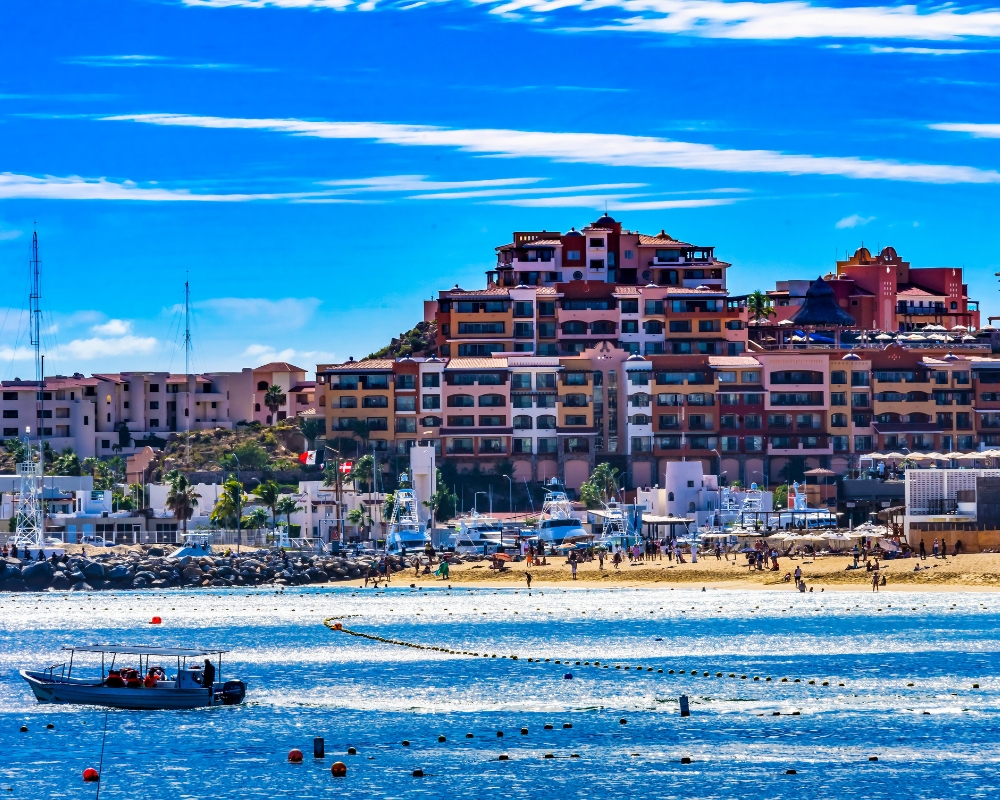
Médano is one of the town’s main beach areas, with restaurants, beach clubs and water activities. It is lively rather than secluded. Swimming depends on conditions, local flags, boat traffic and the specific stretch of beach. Keep clear of departure lanes and motorized activities.
Land’s End and the Pacific side
The Arch is the best-known landmark at Land’s End. Boat trips offer views of the rock formations, small beaches and wildlife in the area, subject to conditions. Do not plan to swim to the Arch or walk around the headland. A boat viewing trip and a beach landing are different outings, and landing may not be possible.
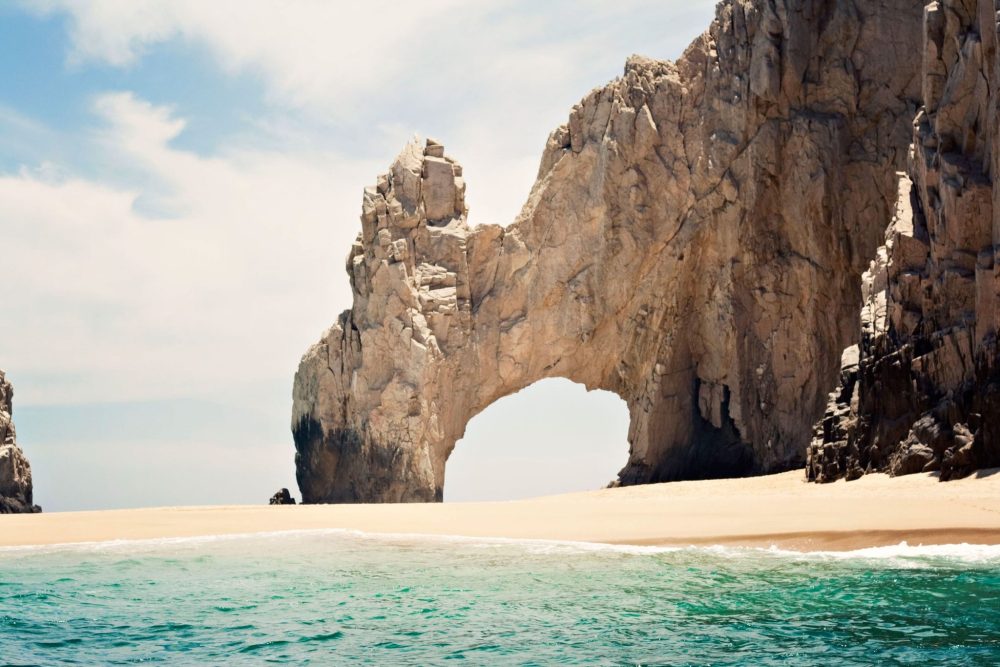
The Pacific-facing shore can have powerful shore break and currents. An attractive beach beside a hotel is not automatically suitable for swimming. Choose accommodation for its actual location and facilities rather than assuming every beachfront property offers safe sea bathing.
Culture, history and everyday town life
The southern peninsula was home to Indigenous communities, including the Pericú, long before European voyages and the growth of the modern resort town. Local history includes seafaring, ranching, fishing and the families who helped build the community.
The church area, public square and natural-history museum offer a different perspective from the marina. Local cultural celebrations and art events can add to a visit, but their dates and programmes should be checked. The seasonal Thursday Art Walk belongs to San José del Cabo, so allow for a separate journey if it is part of your plan.
Choose activities that fit the place and conditions
Boat trips and marine life

Sightseeing, sailing, fishing, snorkeling and diving trips serve different interests. Before booking, ask where the boat actually goes, how much time is spent traveling, what equipment is included and what happens if conditions are unsuitable. Wildlife sightings are never guaranteed.
Whale watching is seasonal, with authorized dates and operating requirements. Check the actual season for the destination and departure you select. Fishing takes place throughout the year, but target species, weather, permits and catch rules vary. Ask the crew about requirements and any restaurant arrangements for preparing a permitted catch.
Snorkeling and the Tourist Corridor

Snorkeling and diving depend on a suitable site, water conditions, experience and supervision. Pelican Rock is near Land’s End, while Chileno and Santa María are farther along the Tourist Corridor. They are not interchangeable departure points or guaranteed calm-water alternatives on every day.

Desert and mountain outings
ATV trips, zip lines and hikes take you beyond the waterfront. Confirm fitness requirements, transport, equipment, insurance exclusions and the actual route. Sierra de la Laguna and Fox Canyon are separate inland excursions, rather than quick additions to a downtown stroll.

Heat, terrain and changing access can affect an inland outing. Bring water and suitable footwear, and use a guide where the route or conditions warrant one. A waterfall photograph does not establish that a pool is currently accessible or safe to enter.
Food, nightlife and where to stay
The town offers casual tacos, seafood, cafés, international dining and restaurants at a range of prices. Ask about the menu and any dietary needs. Marina, downtown and beach businesses have different settings, and reservations can matter during busy periods.
Nightlife is an important part of Cabo San Lucas, with bars, clubs and live music in several areas. Choose a place that suits your preferred atmosphere, agree on transport home and keep an eye on personal belongings. A quiet hotel stay and a room near late-night venues can be very different experiences.
Accommodation ranges from hostels and small hotels to large resorts and villas. Compare the precise address, walking route, beach access, transport costs and included meals. “Los Cabos” in a listing may mean the corridor or San José rather than central Cabo San Lucas. Confirm current amenities directly instead of assuming a particular pool, beach club or all-inclusive arrangement.
Getting to and around town
Los Cabos International Airport serves the region near San José del Cabo. Allow for the journey onward to Cabo San Lucas and for traffic, stops and your exact hotel location. Avoid building a tight arrival plan around a fixed half-hour transfer.
Taxis, prearranged transfers, rental cars and local buses serve different needs. Confirm pickup points, fares, luggage arrangements and the route before travel. Downtown can be explored on foot in sections, but heat, crossings, uneven surfaces and distances still matter.
If you rent a vehicle, check insurance, parking and the road conditions for any destination beyond town. Do not treat an unfamiliar mountain route or an exposed coastal track as an ordinary urban drive.
Make room for the town itself

A useful visit can combine a waterfront walk, a few downtown stops, a meal and one planned activity. Leave time for transport and rest. San José del Cabo, the mountains and the East Cape each deserve deliberate planning rather than being squeezed into the same afternoon.
Tourism continues to change the town. Judge an attraction or development by its current operation and location, rather than relying on old announcements about proposed marinas or future projects. Respect public spaces, wildlife and local instructions so the place remains enjoyable for residents and visitors.